
Category: Science
-
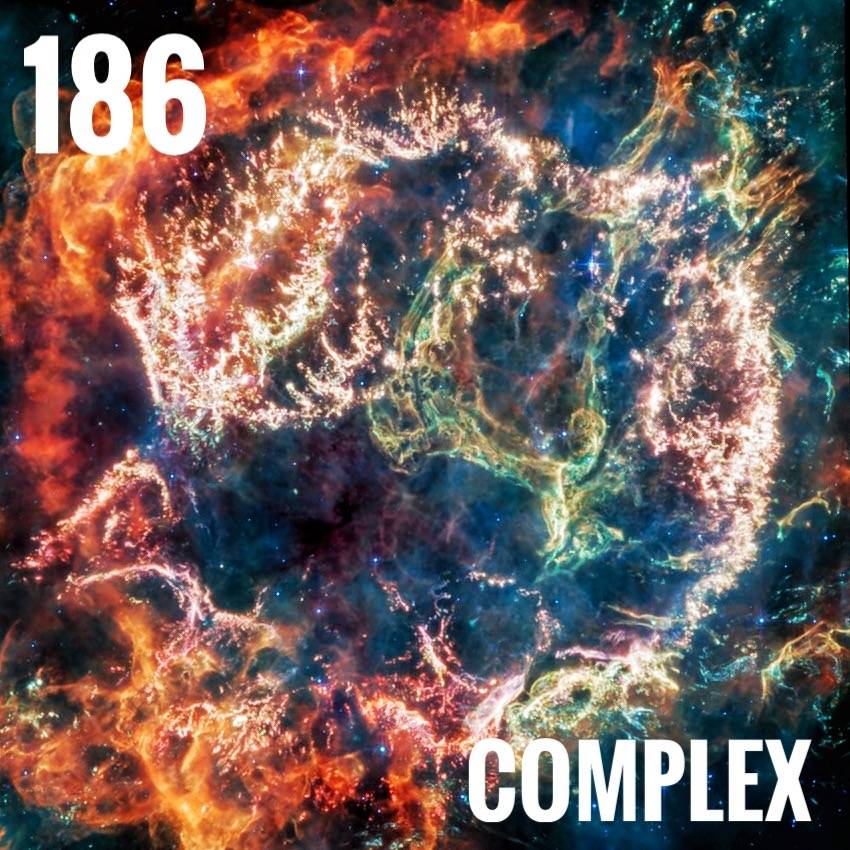
Complex Collision. Complex Shape. Complex Understanding.
#2023. W 26 D 3 GMT +08:00. Indicate #186 days to go in 2023. Thanks to James Webb Space Telescope, we see in the mid-infrared an object formed about 340 years ago due to a star explosion. The image’s orange areas are where the explosion’s ejected material collides with the surrounding gas and dust. Meantime…
-
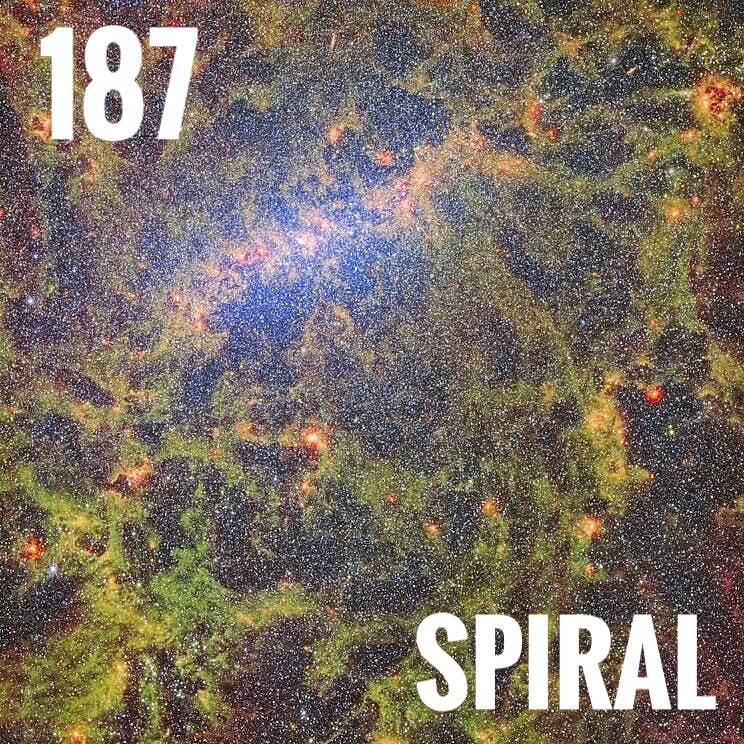
Spiral Resolution. Spiral Galaxy. Spiral Core.
#2023. W 26 D 2 GMT +08:00. Indicate #187 days to go in 2023. Thanks to James Webb Space Telescope, we can finally see a part of an arm from a spiral galaxy with an active star formation. Also, we can see its core, and this NGC-5068 lies about 17 million light-years from Earth in…
-
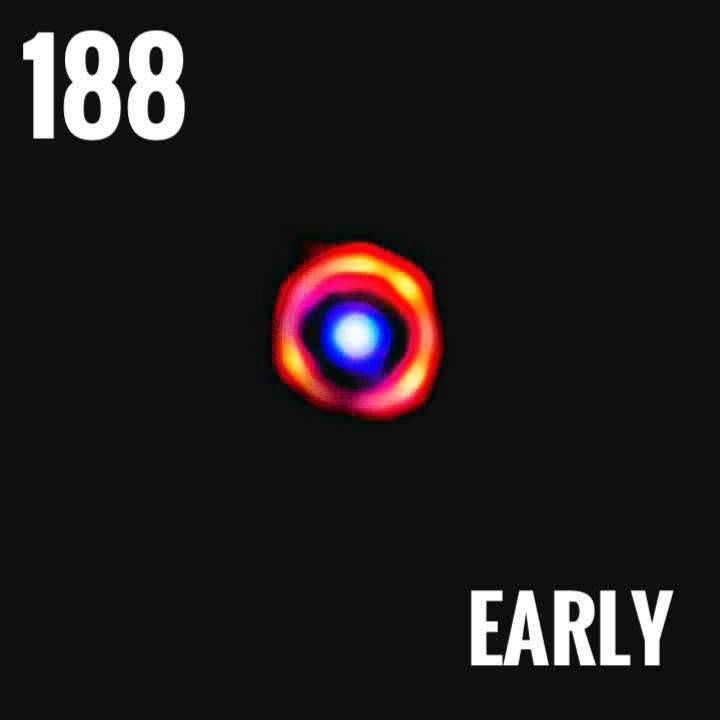
Early Thought. Early Universe. Early Discovery
#2023. W 26 D 1 GMT +08:00. Indicate #188 days to go in 2023. Thanks to James Webb Space Telescope, scientists discovered the universe’s most distant organic molecules. Now, from the element in the galaxy SPT0418-47, we learned that there was a galaxy when the universe’s age was only 1.5 billion years. Light from the…
-
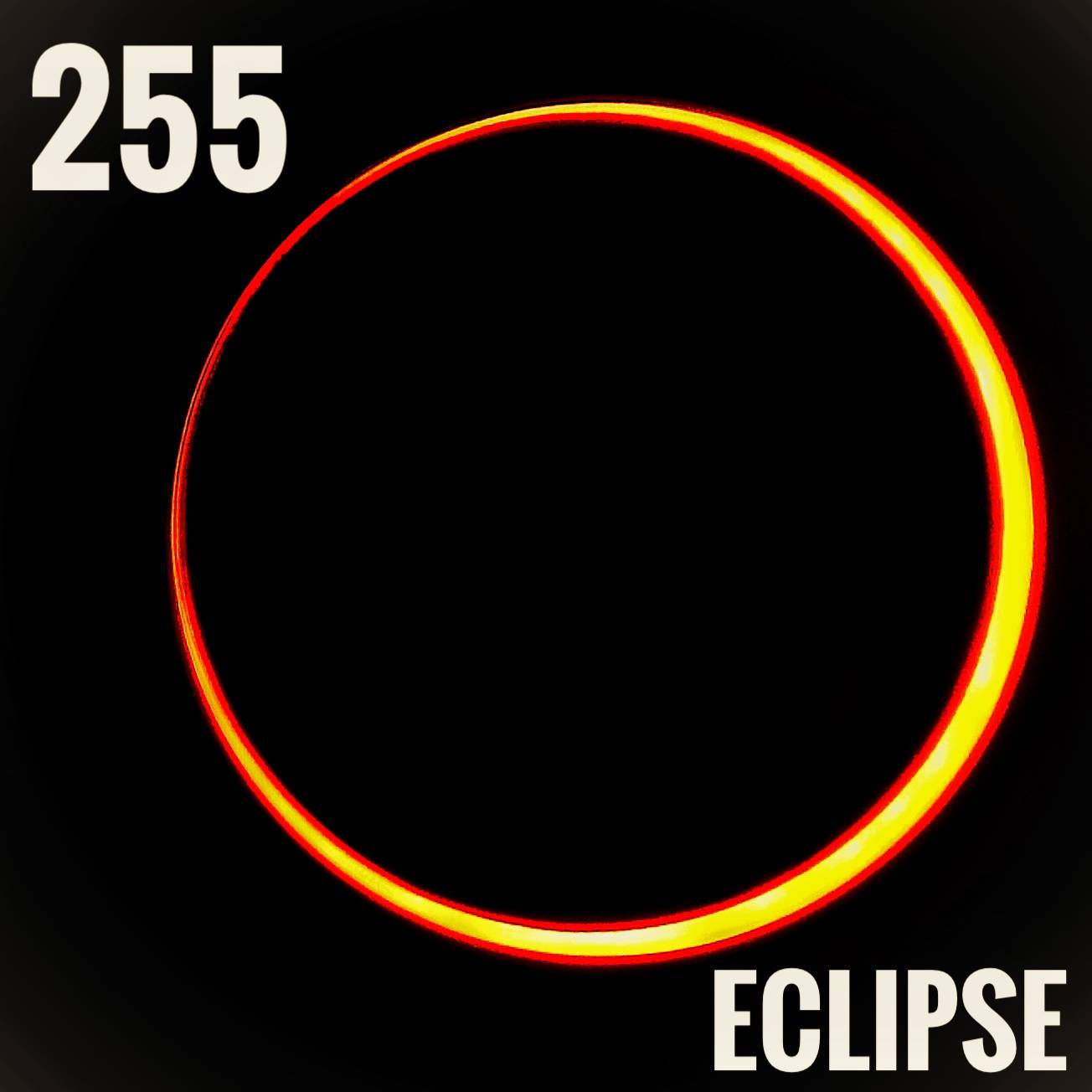
Educational Insights on Hybrid Solar Eclipses Impact on Earth’s Atmosphere, Ground, and Space Environment
1 Affect 3 Eclipses. 1 Effect 3 Shadows. 1 Moment 3 Objects. Abstract Hybrid solar eclipses, a captivating celestial phenomenon, provide a unique opportunity for educators to engage learners in the exploration of Earth’s atmosphere, ground, and space environments. This study investigates the effects of hybrid solar eclipses from an educational perspective, utilizing hands-on activities…
-
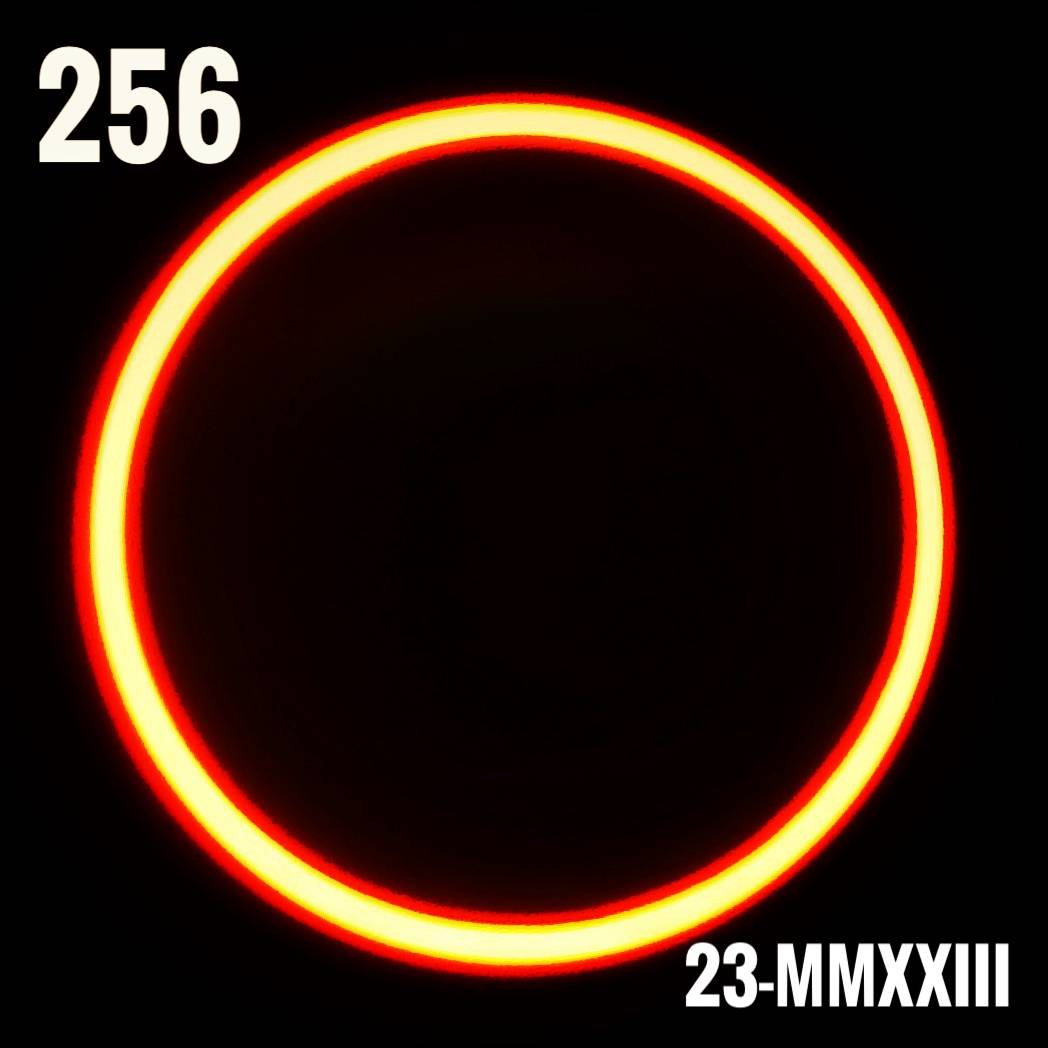
The Value of 7 and Solar Eclipses in 2023 – Celestial Mechanics, Cultural Implications, and Educational Opportunities
2023 Value of 7. 2023 Factors 7-17-17. 2023 is Not Factorial. Abstract The year 2023 presents a remarkable connection between the number 7 and solar eclipses, with two such celestial events occurring within its span. This paper investigates the celestial mechanics behind this relationship, as well as its cultural and educational significance. The study examines…
-
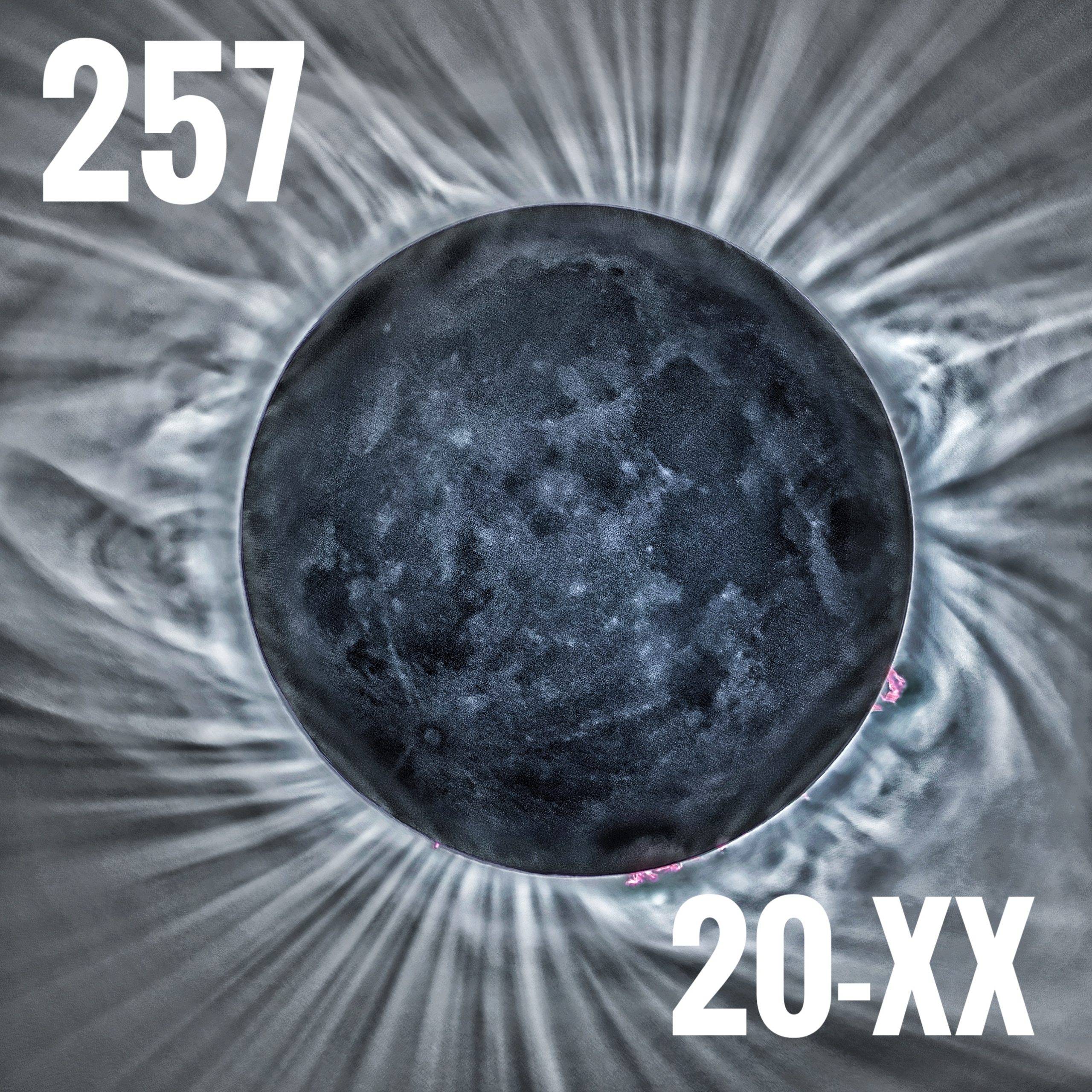
Twentieth Century Eclipse Moments A Journey Through Astronomical Phenomena
20th Century. 20th Adaptability’s. 20th Determination. Abstract The twentieth century bore witness to an array of remarkable celestial events, with some of the most notable ones being solar and lunar eclipses. This paper provides an in-depth analysis of twenty significant eclipse moments that occurred during the 1900s, examining their impact on scientific understanding, technological advancements,…
-
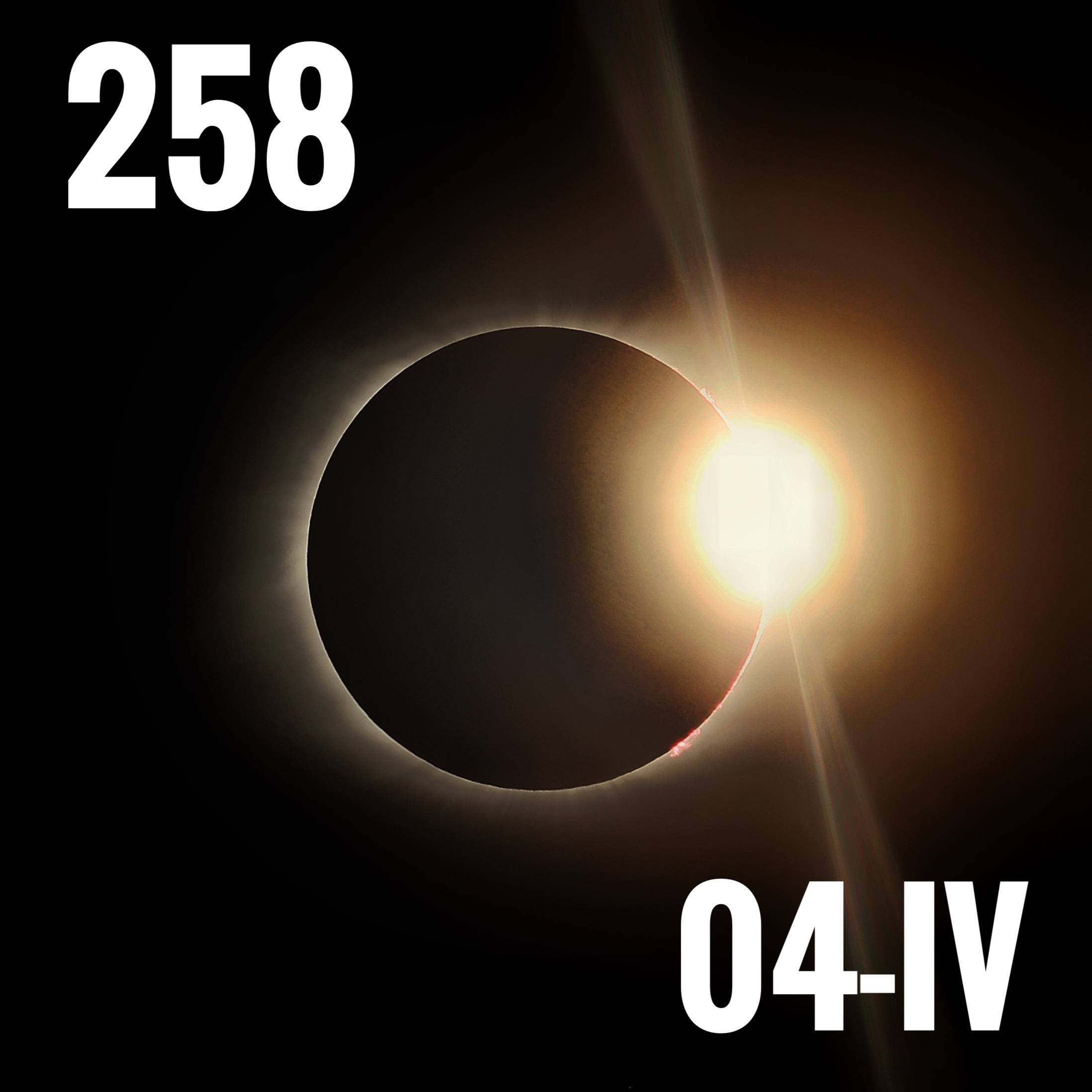
The Quadruple Convergence A Rare Phenomenon of Four Solar Eclipses in a Single Year
Four is Content. Four is Context. Four is Value. Abstract Solar eclipses have long fascinated scientists and the general public alike. In this study, we explore a rare phenomenon of quadruple solar eclipses occurring in a single calendar year, which has only been documented a few times in recorded history. We analyze the complex interplay…
-
The Geometry of Eclipse and Shadow Formation
The geometry of Object. Geometry of Science. The geometry of Celestial. Abstract: The intricate geometry of celestial alignments plays a crucial role in the fascinating eclipse and shadow formation phenomena. This exploration delves into the principles of celestial mechanics and the dynamic arrangement of the Earth, the Moon, and the Sun that set the stage…
-
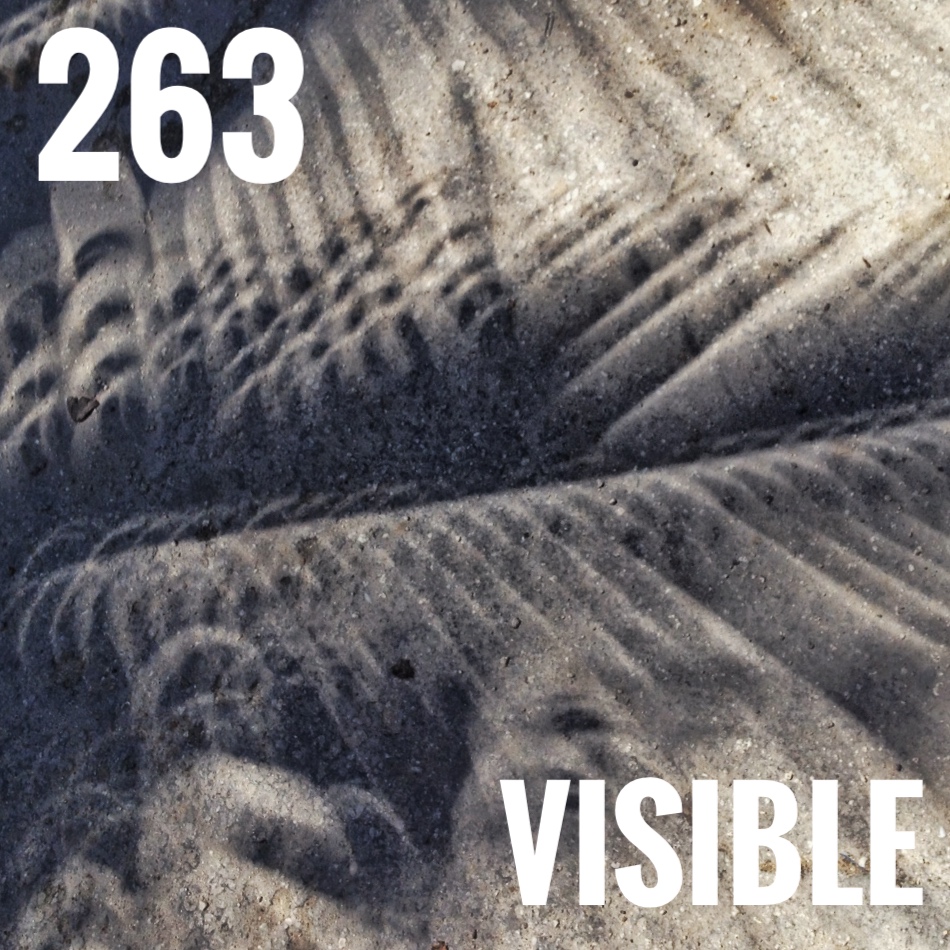
Section 3.1 – The Influence of Elevation and Surrounding Terrain on Shadow Visibility
Visible on Visibility. Visible on Value. Visible on Impact. Elevation and the surrounding terrain play a significant role in determining the visibility of eclipse shadows. In this section, we will examine the ways in which these factors impact shadow visibility during both solar and lunar eclipses, as well as provide guidance for selecting optimal observation…
-
Part 2 – The Extended Solar Eclipse: An In-Depth Exploration of its Effects and Educational Opportunities
Visible to Analyze. Visible to Measure. Visible to Conclusion. Introduction: When a solar eclipse captivates our skies, we witness a rare celestial event that provides numerous educational opportunities. The recent 4.25-hour solar eclipse, significantly longer than the average total solar eclipse, offers an exceptional chance to explore the impact on Earth’s atmosphere, ecosystems, and human…