
Category: Astronomy Articles
-
From Cosmic Dust to Collaborative Futures: Uniting Institutions, Industry, and Innovators under the Night Sky
Abstract: Cosmic dust, the raw material of stars and planets, also serves as a powerful metaphor for how small ideas coalesce into grand innovations. In this essay we explore the literal astrophysics of cosmic dust – “seeds of new stars and the leftover crumbs from stars long dead”nasa.gov – and use it as a lens…
-
From Imagination to Understanding: Lessons from Meteor and Moon-Jupiter Conjuction
Introduction: The Spark of Imagination in Science Learning Imagination plays a pivotal role in scientific discovery and learning. Albert Einstein once famously remarked, “Imagination is more important than knowledge. Knowledge is limited. Imagination encircles the world.” (quoteinvestigator.com). In context, he explained that intuition and imaginative insight guided his expectations even before experiments confirmed his theories…
-
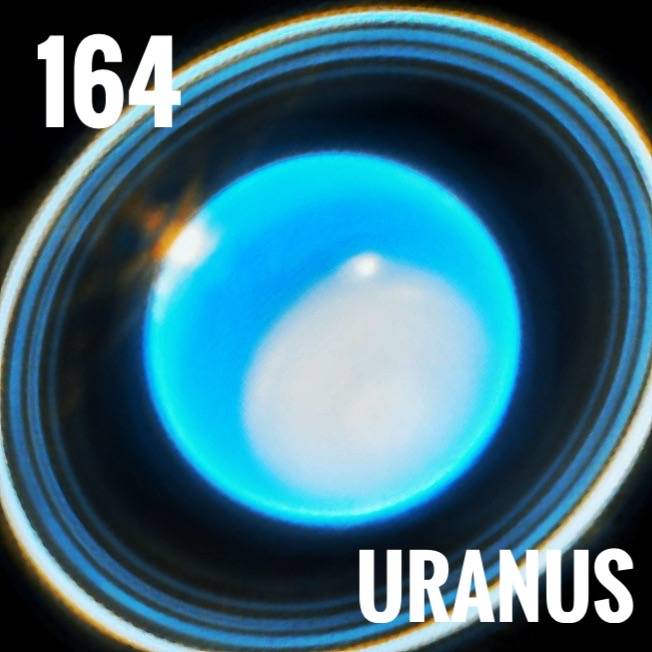
Uranus the Planet. Uranus and Rings. Uranus at the Solar System.
#2023. W 29 D 4 GMT +08:00. Indicate #164 days left to go in 2023. It was discovered in 1781 as the first planet with the aid of the Earth telescope by astronomer William Herschel and, two years later, get confirmed by astronomer Johann Elert Bode (NASA Museum, 2018). In 1986, we had another great…
-
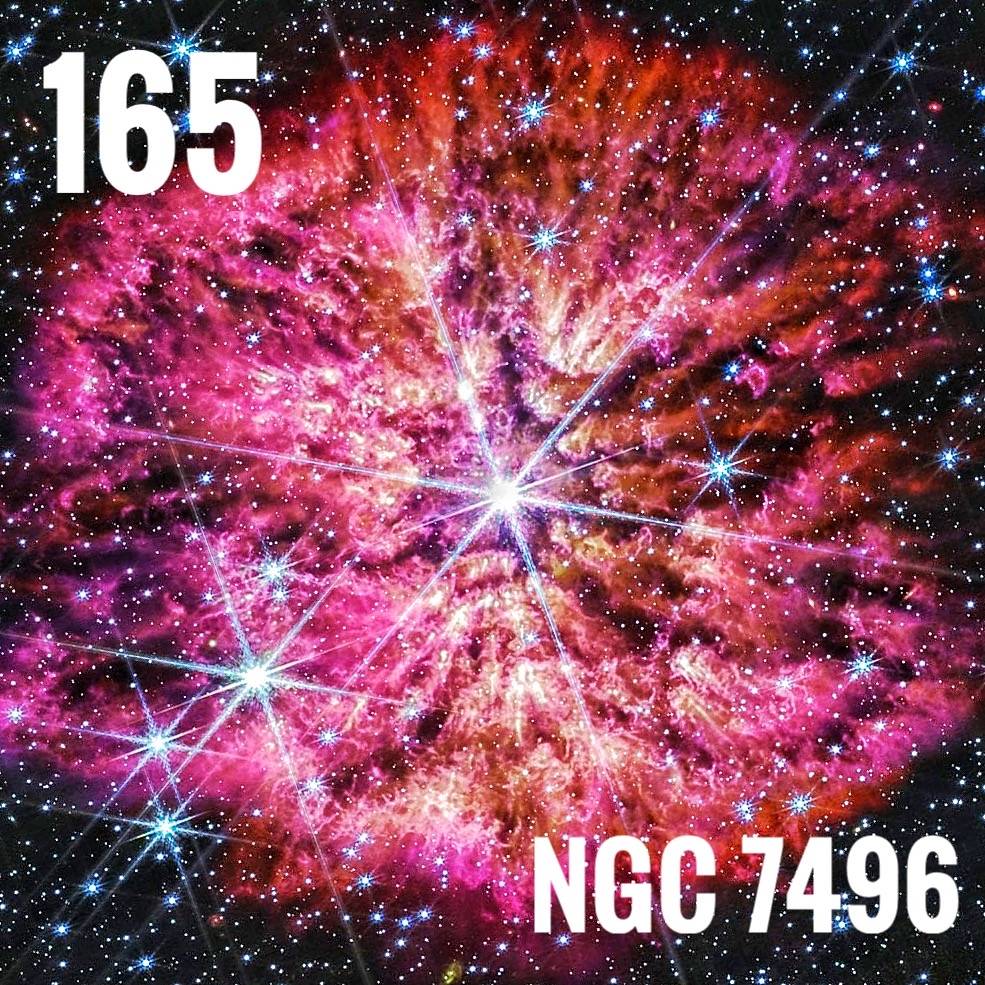
NGC 7496 Supernova. NGC 7496 Spiral. NGC 7496 Pearl.
#2023. W 29 D 3 GMT +08:00. Indicate #165 left to go in 2023. Other thanks to the high resolutions images from James Webb Space Telescope collaborated with MIRI to show us a galaxy that lies over 24 million light-years away from the Earth in the constellation of Grus. The galaxy is identified as the…
-
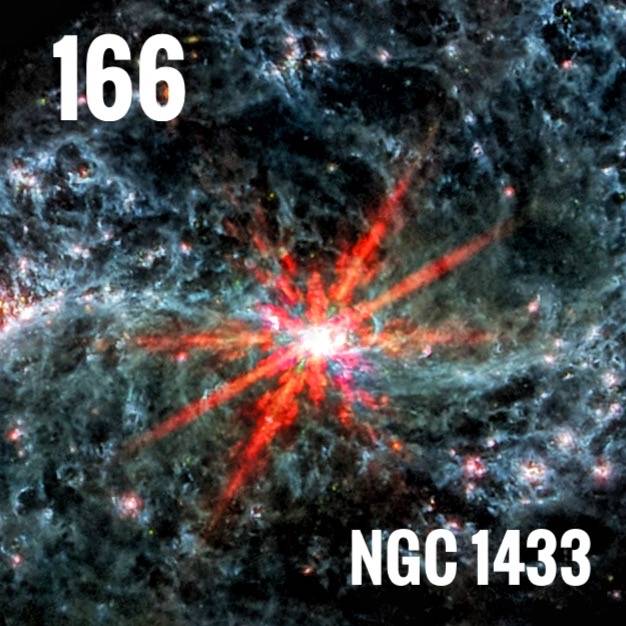
NGC 1433 Study. NGC 1433 Barred. NGC 1433 Formation.
#2023. W 29 D 2 GMT +08:00. Indicate #166 days left to go in 2023. Thanks to the high-resolution images from James Webb Space Telescope that collaborated with MIRI (Mid-Infrared Instrument), we can finally see a barred spiral galaxy NGC 1433 with a new look. NGC 1433 is a Seyfert Galaxy located in the constellation…
-
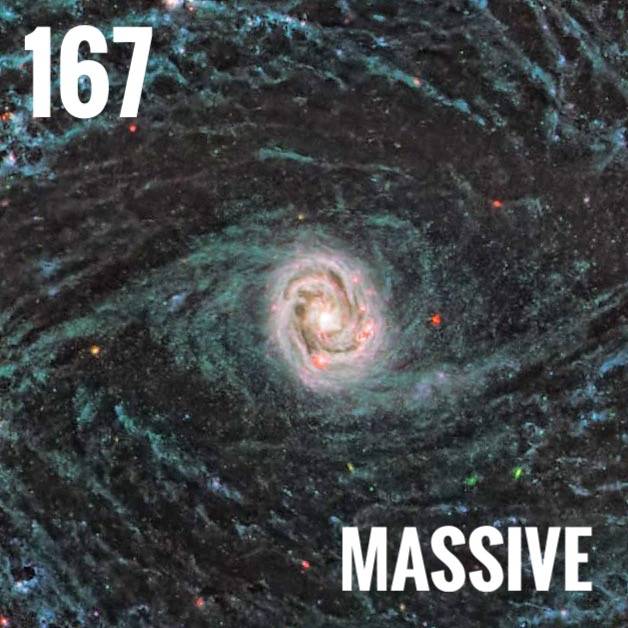
Massive Clusters. Massive Gravitational. Massive in Early Universe.
#2023. W 29 D 1 GMT +08:00. Indicate #167 left to go in 2023. Thanks to the high resolutions images from James Webb Space Telescope, we can finally see a massive cluster. Three clusters of galaxies form a powerful gravitational lens through which objects of the early Universe can be observed. Rachel Besanson, the program…
-
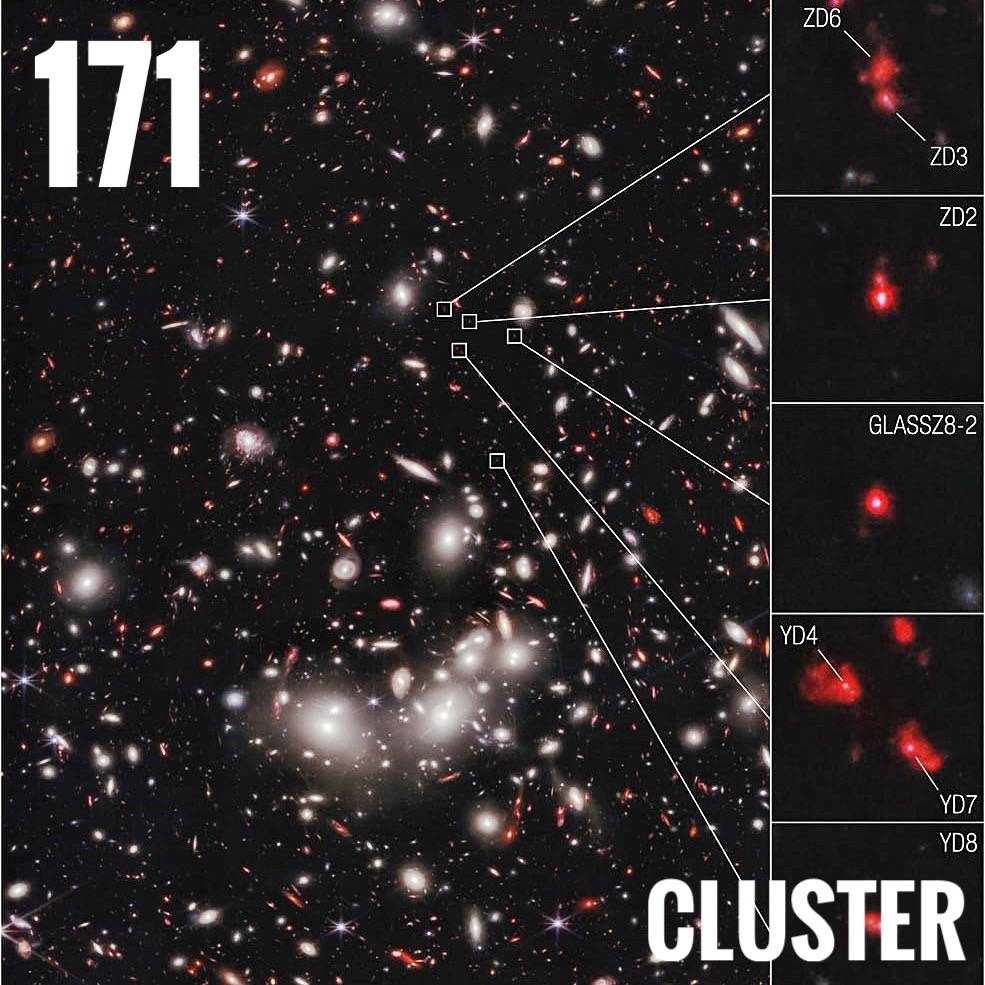
Nucleating Clusters. Formation of Clusters. Clusters of Galaxies.
#2023. W 28 D 4 GMT +08:00. Indicate #171 days to go in 2023. Thanks to the NIRSpec spectrograph and James Webb Space Telescope recorded a protocluster of galaxies that formed around 650 million years after the Big Bang. With this, scientists can measure the speeds of all seven galaxies and confirm that they are…
-
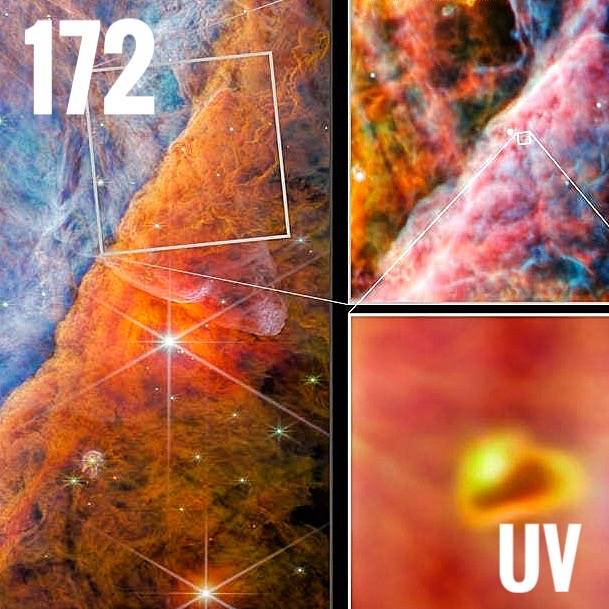
UV Radiations. UV Contributions. UV Affects
#2023. W 28 D 3 GMT +08:00. Indicate #172 days to go in 2023. James Webb Space Telescope discovered carbon-containing molecules in the protoplanetary disk. With the help of MIRI and NIRCam instruments, scientists identified the methyl cation (CH3+) in space for the first time. The molecule is essential because it promotes forming more complex…
-
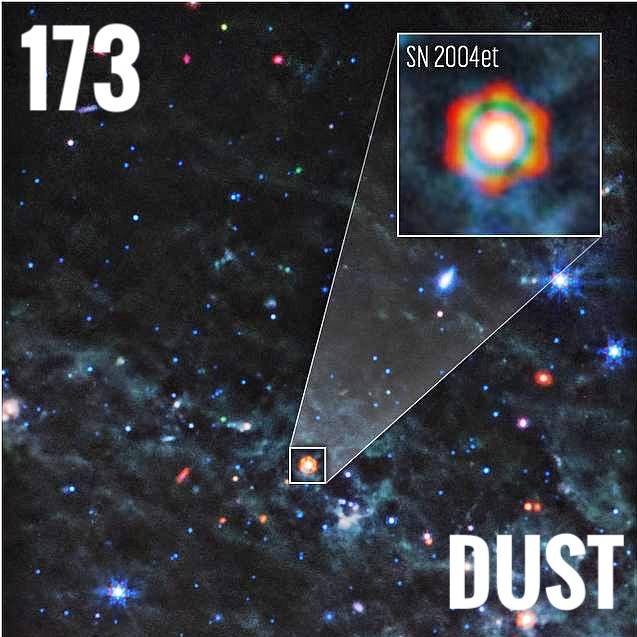
Universe Dust. Dust of Initial. Dust in Regions.
#2023. W 28 D 2 GMT +08:00. Indicate #173 days to go in 2023. Thanks to James Webb Space Telescope in discovering a large amount of dust in a supernova. The evidence supports the theory that dust was crucial in forming dust regions in the early universe. Especially since we know space dust is an…
-
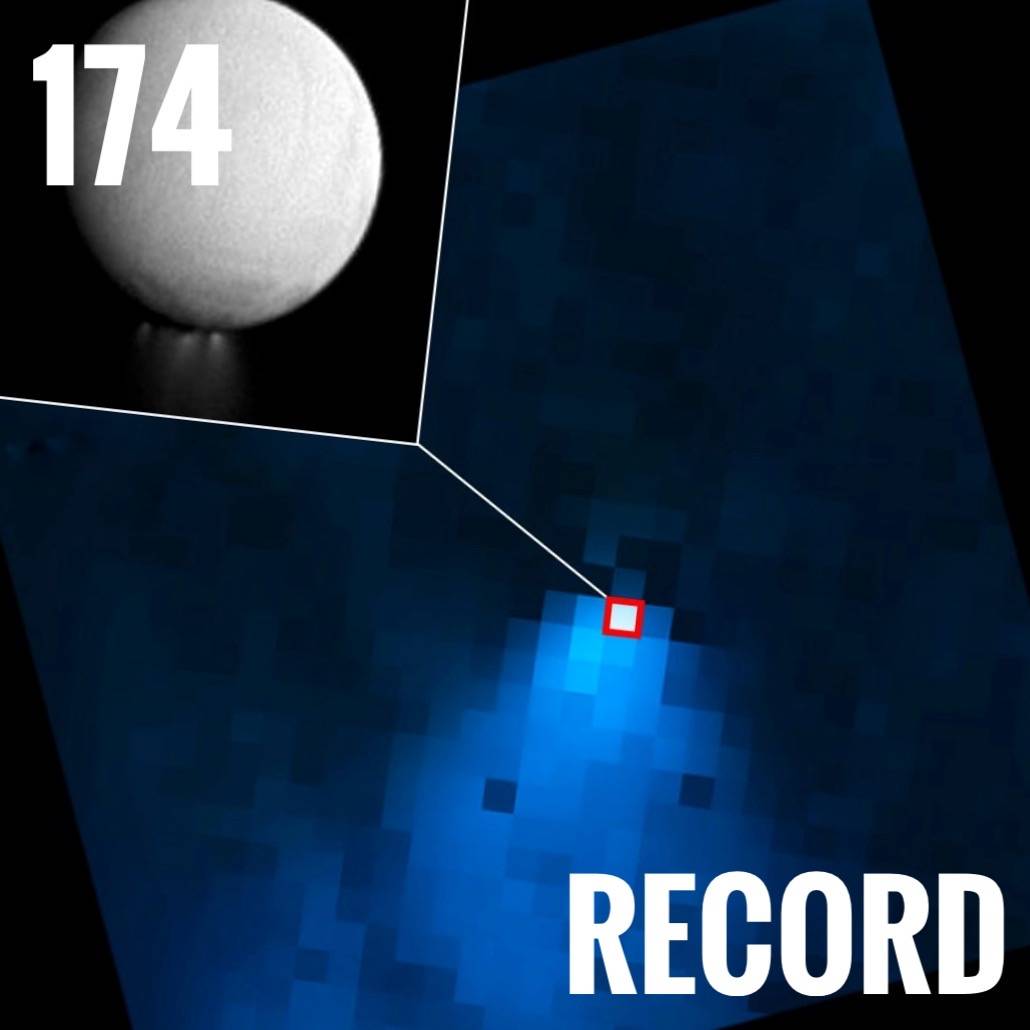
Record of Moment. Record to History. Record of Ejection.
#2023. W 28 D 1 GMT +08:00. Indicate #174 days to go in 2023. Thanks to James Webb Space Telescope, with the worlds apart, from the start inevitable collision, scientists finally got the record from the subsurface ocean of Enceladus. With the recorded moment, scientists also surprise by the ejection speed, which is around 300…