Author: alberttls
-
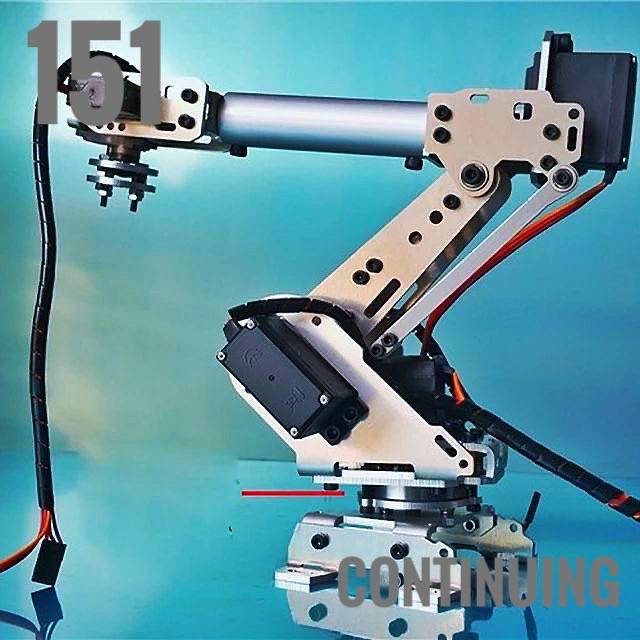
Continuing Research. Continuing BCI. Continuing Development.
#2023. W 31 D 3 GMT +08:00. Indicate #151 days to go in 2023. Our neural interfaces have given us remarkable results in our previous research. In this continuous research, we analyzed noninvasive brain-computer interfaces again due to considerable advantages, including simplicity, safety, and low cost. At the same time, recent advances aim at improving…
-
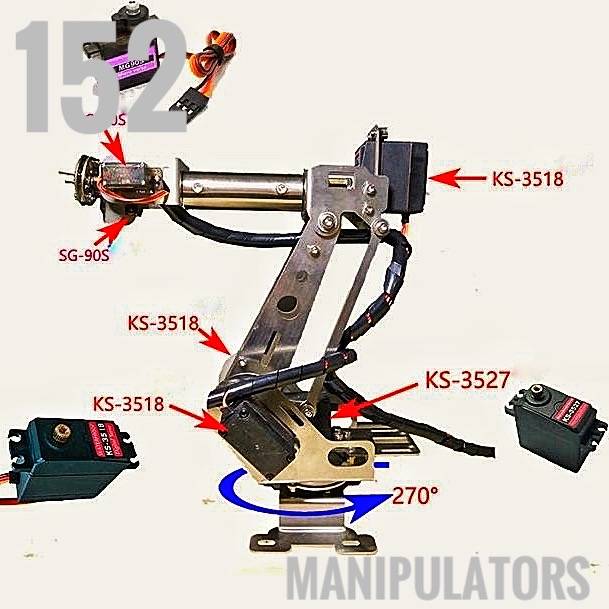
Manipulator in System. Manipulator in Function. Manipulator in Algorithm
#2023. W 31 D 2 GMT +08:00. Indicate #152 days to go in 2023. A new month is here, and thanks to the market, robotic arms get risen to the demand for modular end-of-arm tooling. After a decade, we know it now as one of many reasons that propelled the demand for robotics end-of-arm tooling…
-
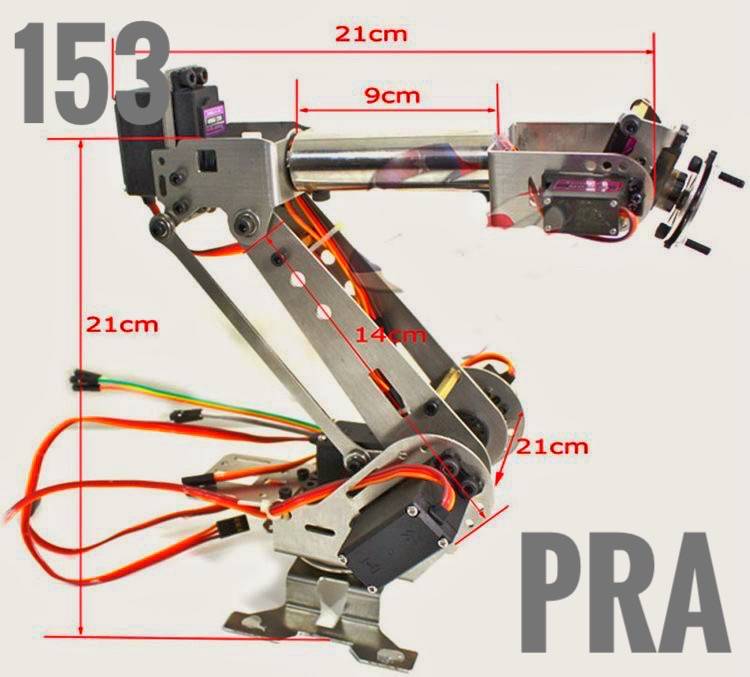
PRA in Education. PRA in Houses. PRA indirect Collaboration.
#2023. W 31 D 1 GMT +08:00. Indicate #153 days left in 2023. Nowadays, portable robotic arms are used in houses and education to get identified and automate the execution of repetitive tasks, such as writing, and take-and-place of an object. While in the past, a robotic arm required teaching to perform narrowly defined tasks,…
-
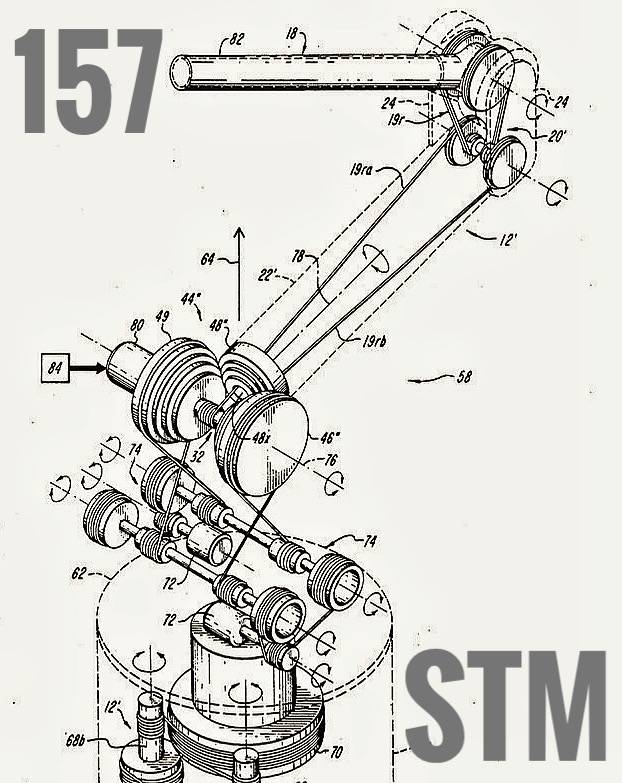
STM on Movement. STM in Action. STM at Reaction.
#2023. W 30 D 4 GMT +08:00. Indicate #157 days left in 2023. Now, we know that certain aspects are related to systems, techniques, and methods for robotic arms setup. As a result, researchers, engineers, and robotic field enthusiasts have offered a variety of systems, techniques, and methods. To find effectiveness, with taking into consideration…
-
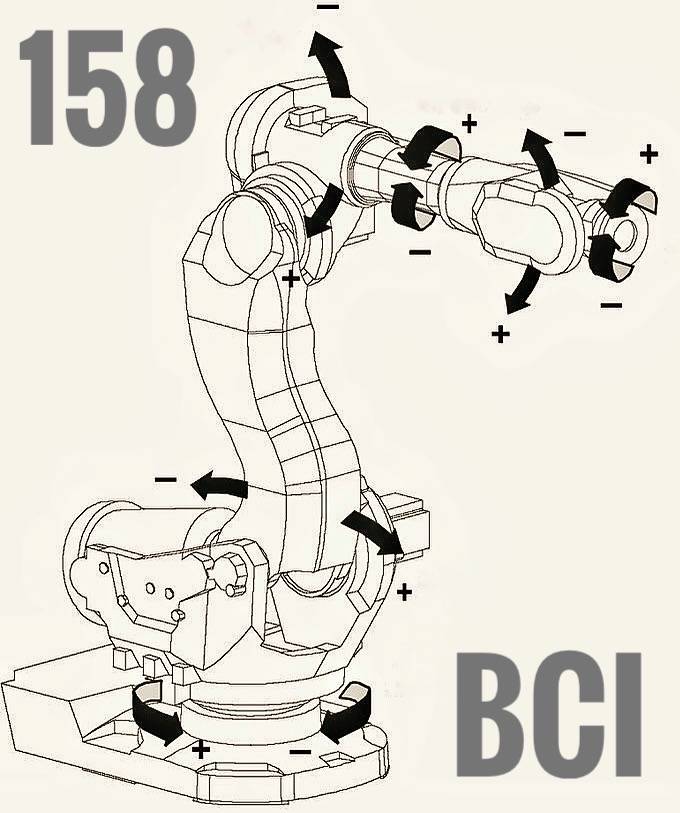
System BCI. Interface BCI. Demonstration BCI.
#2023. W 30 D 3 GMT +08:00. Indicate #158 days left in 2023. We all know that manufacturers worldwide have increased their donations and investment in industrial robots over the years. Demands for assistive robots are increasing as they allow individuals to work independently and perform tasks that are much precision in efficiency. The proposed…
-
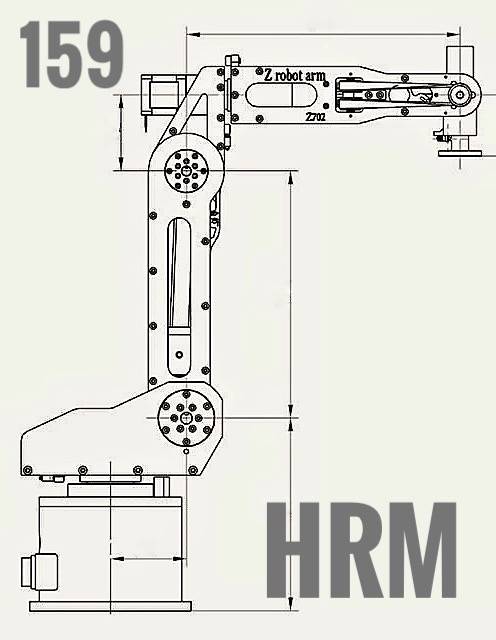
HRM Algebra. HRM Geometry. HRM of the Systems.
#2023. W 30 D 2 GMT +08:00. Indicate #159 days left in 2023. This paper summarizes our design of a unique robot arm with high flexibility and maneuverability, the hyper-redundant manipulators. How to quickly, accurately, and smoothly grasp objects has always been a problematic point of research, especially to our awareness that this robot arm…
-
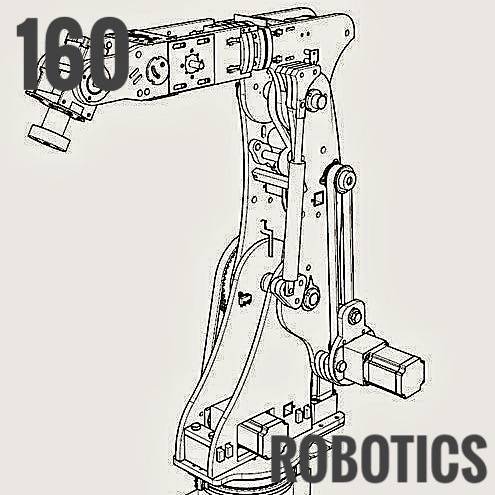
Design Robotics. Controlling Robotics. Automation Robotics.
#2023. W 30 D 1 GMT +08:00. Indicate #160 days left in 2023. We know the most advanced automation systems have additional capabilities in today’s industry. However, enabling their use in environments that have not been suitable for automation up to now allows the capture of entirely new sources of value in manufacturing, especially in…
-
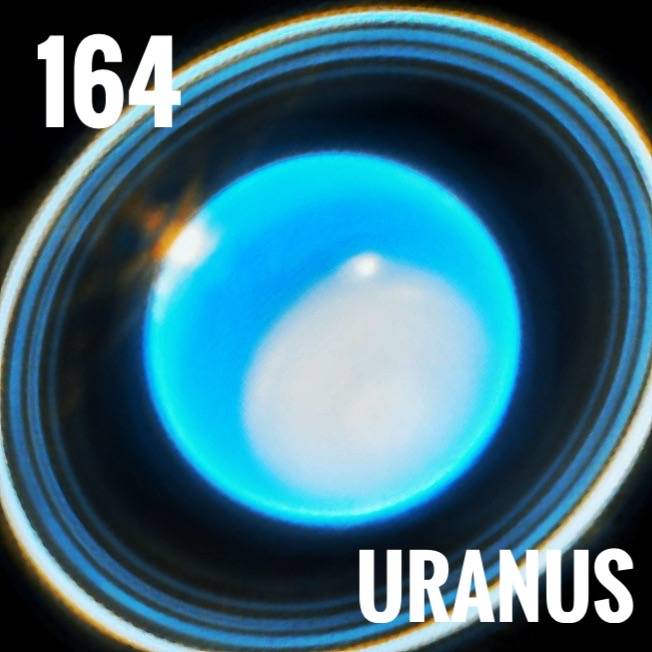
Uranus the Planet. Uranus and Rings. Uranus at the Solar System.
#2023. W 29 D 4 GMT +08:00. Indicate #164 days left to go in 2023. It was discovered in 1781 as the first planet with the aid of the Earth telescope by astronomer William Herschel and, two years later, get confirmed by astronomer Johann Elert Bode (NASA Museum, 2018). In 1986, we had another great…
-
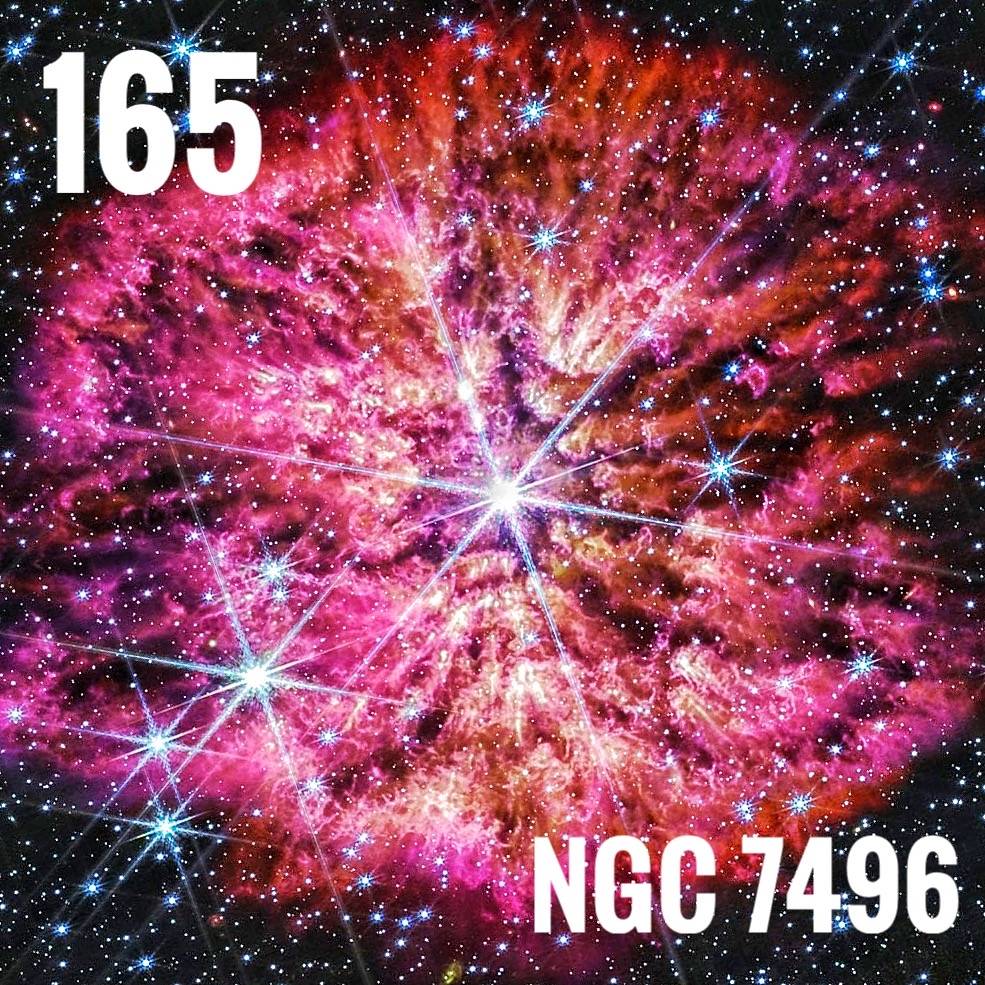
NGC 7496 Supernova. NGC 7496 Spiral. NGC 7496 Pearl.
#2023. W 29 D 3 GMT +08:00. Indicate #165 left to go in 2023. Other thanks to the high resolutions images from James Webb Space Telescope collaborated with MIRI to show us a galaxy that lies over 24 million light-years away from the Earth in the constellation of Grus. The galaxy is identified as the…
-
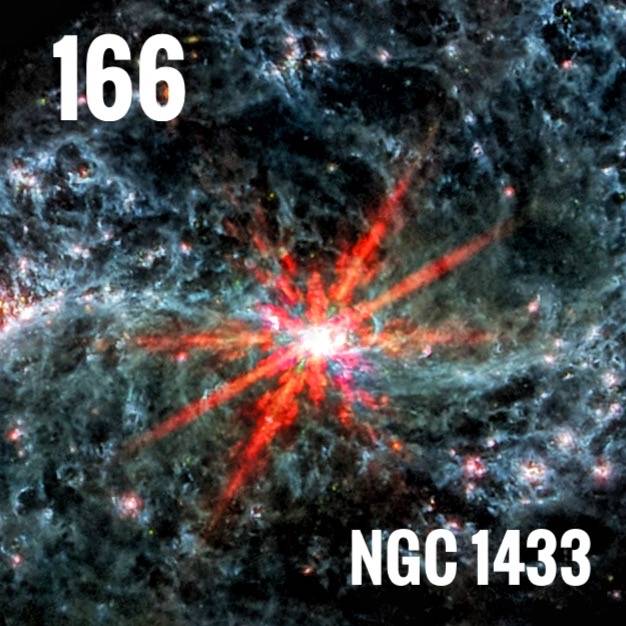
NGC 1433 Study. NGC 1433 Barred. NGC 1433 Formation.
#2023. W 29 D 2 GMT +08:00. Indicate #166 days left to go in 2023. Thanks to the high-resolution images from James Webb Space Telescope that collaborated with MIRI (Mid-Infrared Instrument), we can finally see a barred spiral galaxy NGC 1433 with a new look. NGC 1433 is a Seyfert Galaxy located in the constellation…